
Living Car-Free in Hoboken: Embracing a Walkable and Transit-Friendly Lifestyle
Living without a car in Hoboken works. The city's compact layout, deep transit connections, and walkable streets make car ownership optional for most residents. Whether you're buying, renting, or just exploring the idea, here's what going car-free in Hoboken actually looks like day to day.
- PATH train to Manhattan (multiple stops)
- NJ Transit buses throughout the city
- NY Waterway ferry terminals on the waterfront
- Citi Bike docking stations throughout Hoboken
- No car payment or auto insurance
- No fuel costs or maintenance bills
- No monthly parking fees ($175–$380/mo saved)
- No parking permits or violation risk
- Walk Score: 96 (Walker's Paradise)
- Most errands reachable on foot
- Predictable commute times via transit
- More time to read, decompress, or work in transit
- Car-sharing (Zipcar) available for occasional trips
- Uber/Lyft readily available citywide
- Grocery delivery covers most remaining gaps
- Buying? Skipping parking saves $25K–$75K at closing
Why Hoboken Works Without a Car
Living without a car in Hoboken has many advantages that add up to a more convenient and sustainable daily life. Here are the perks that residents enjoy when they choose to go car-free in this city.
Walkability
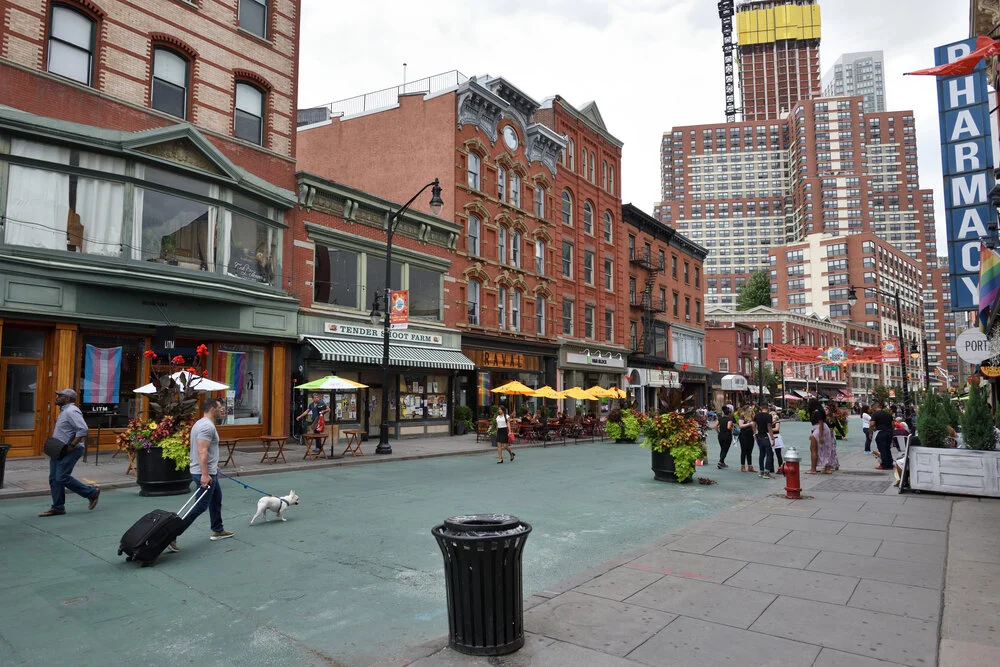
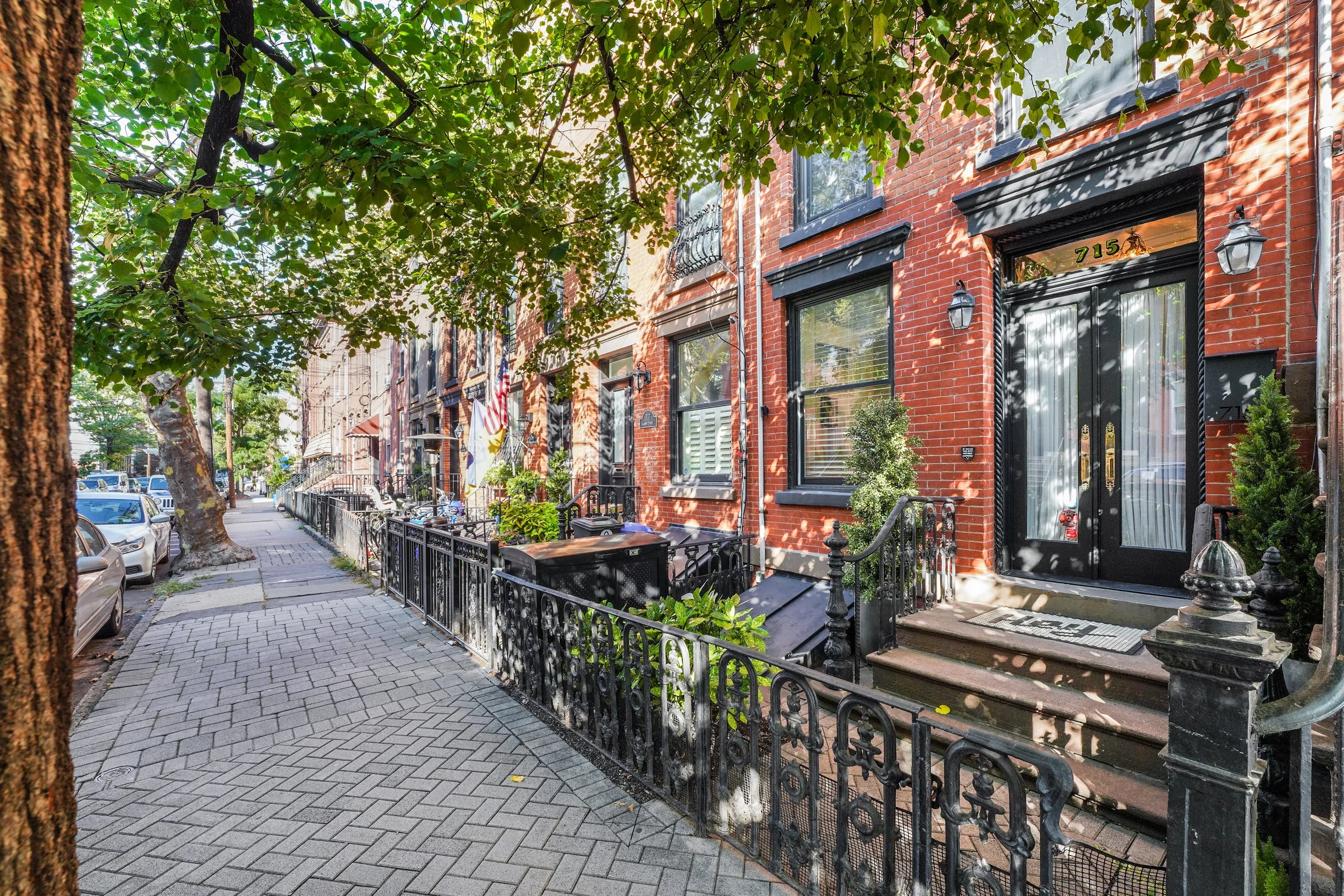
One of the standout features of Hoboken is its exceptional walkability. With its compact layout, well-maintained sidewalks, and pedestrian-friendly infrastructure, residents can easily access amenities, services, and entertainment options just a short walk from their homes. This promotes a healthier lifestyle, reduces stress associated with traffic, and encourages daily exercise. Hoboken consistently scores a 96 out of 100 on Walk Score, earning a "Walker's Paradise" rating that very few cities in New Jersey match.
Convenient Transit Options
Hoboken has an impressive public transportation network that makes it easy to get around the city and beyond. The PATH train, NJ Transit buses, and nearby ferry terminals provide swift connections to Manhattan and other parts of New Jersey. This accessibility eliminates the need for a personal vehicle and saves meaningful time and money on commuting. For a closer look at how Hoboken compares to other transit-connected towns, see our NJ commuter towns guide.
Cost Savings
Going car-free in Hoboken translates to substantial cost savings. Residents avoid expenses related to car ownership: purchasing a vehicle, insurance, maintenance, fuel, parking permits, and parking fees. Those savings can be redirected toward other priorities: leisure, travel, or building equity faster. And for buyers, skipping a deeded parking space at closing means saving anywhere from $25,000 to $75,000 on the purchase price. Our full condo cost guide breaks that math down in detail.
Environmental Impact
Choosing a car-free lifestyle aligns with environmentally conscious values. By reducing the number of vehicles on the road, residents contribute to improved air quality, reduced traffic congestion, and a decreased carbon footprint. This individual choice adds up: Hoboken has been recognized as one of the most sustainable small cities in New Jersey, and its residents' transit habits are a big part of why.
Buying in Hoboken and weighing parking options? We help buyers run the real numbers on deeded spaces, monthly garage costs, and car-free savings before they make an offer.
Talk to Our TeamStress-Free Commuting
Unlike the frustration often associated with rush-hour traffic, car-free Hoboken residents enjoy predictable commutes. Public transportation options offer reliable schedules and efficient routes, allowing individuals to relax, catch up on reading, or work during their journeys. The Hoboken Terminal alone connects PATH, NJ Transit rail, NJ Transit buses, and the ferry, all under one roof.
Social Interaction
The absence of car reliance encourages more daily interaction within the community. Residents are more likely to engage in chance encounters and spontaneous conversations with neighbors, fostering a stronger sense of belonging and community cohesion. Walking the same streets every day, past the same coffee shop, the same PATH entrance, the same weekend farmers market, builds a familiarity with a place that car commuters in other towns rarely develop. That daily rhythm also makes it easier to get involved in the Hoboken community in ways that simply do not happen from behind a windshield.
Health and Wellness
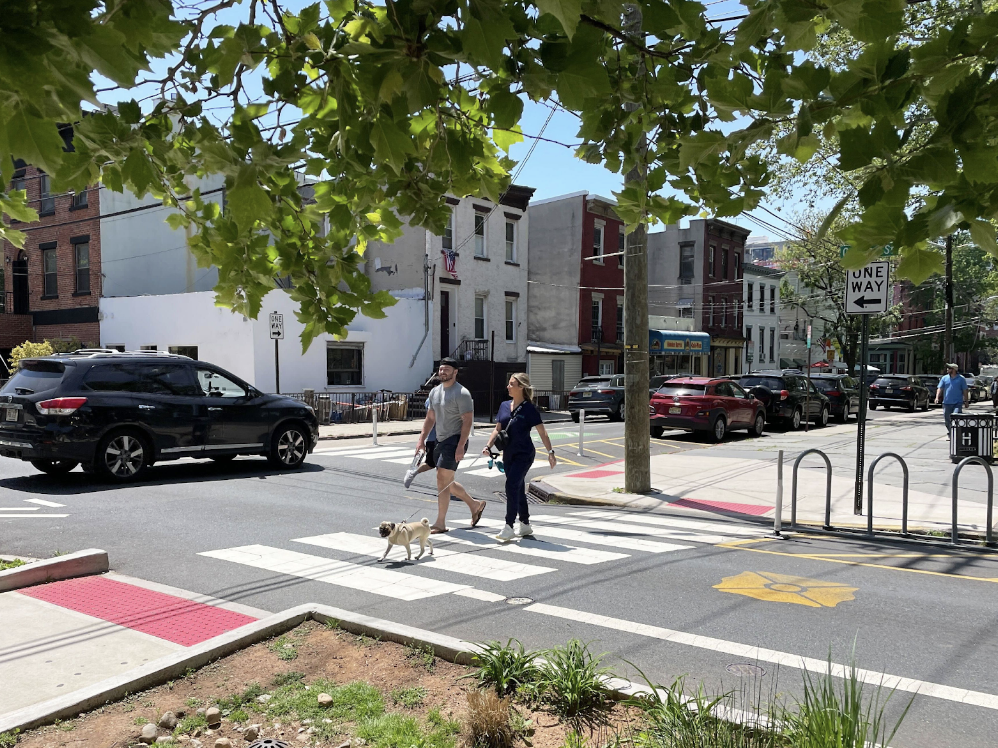
Walking and cycling are environmentally friendly and contribute to better physical health. Car-free residents tend to incorporate more physical activity into their daily routines, promoting overall wellness and reducing the risk of sedentary-related health issues. In a city where most destinations are within a 10-minute walk, the steps add up without any effort.
Exploration and Discovery
Living without a car encourages residents to explore their surroundings on foot or by public transit. This enables a deeper connection with the neighborhood, discovering local businesses, parks, and cultural spots that are easy to miss when passing through by car. Hoboken's distinct neighborhoods each have their own character, and most are best experienced at walking pace. The same goes for the restaurant scene: without a car, you are far more likely to wander into a new spot on your block than to drive somewhere specific, which is how most residents discover their favorite places in the first place. A good starting point is our list of the best restaurants in Hoboken.
Reduced Traffic Congestion
Opting out of car ownership has a positive ripple effect on overall traffic in Hoboken. Fewer cars on the road mean reduced congestion, shorter travel times, and a smoother flow of movement for everyone, drivers included. In a city this dense, every car removed from circulation makes a difference.
Freedom from Parking Woes
Parking in densely populated areas can be a major hassle and a significant expense. Car-free residents don't have to worry about finding parking spaces, paying for parking permits, or dealing with the stress of parking violations. For anyone who does need to keep a car, our guide to monthly parking garages in Hoboken and Jersey City covers every major operator, what to expect to pay, and the questions to ask before signing a contract.
Hoboken's walkability, transit access, and community amenities make it one of the few places in New Jersey where going car-free is a genuine upgrade to daily life, not a compromise. For buyers weighing whether to pay for a parking space, the math often favors skipping it. Our team can run that calculation for any building you're considering.
Ready to move to Hoboken? Our team knows every building, every block, and every parking situation in this market. Let's find you the right home.
Get in Touch